How Fotona 4D Laser Facial (TimeWalker) Enhances Facial Contours
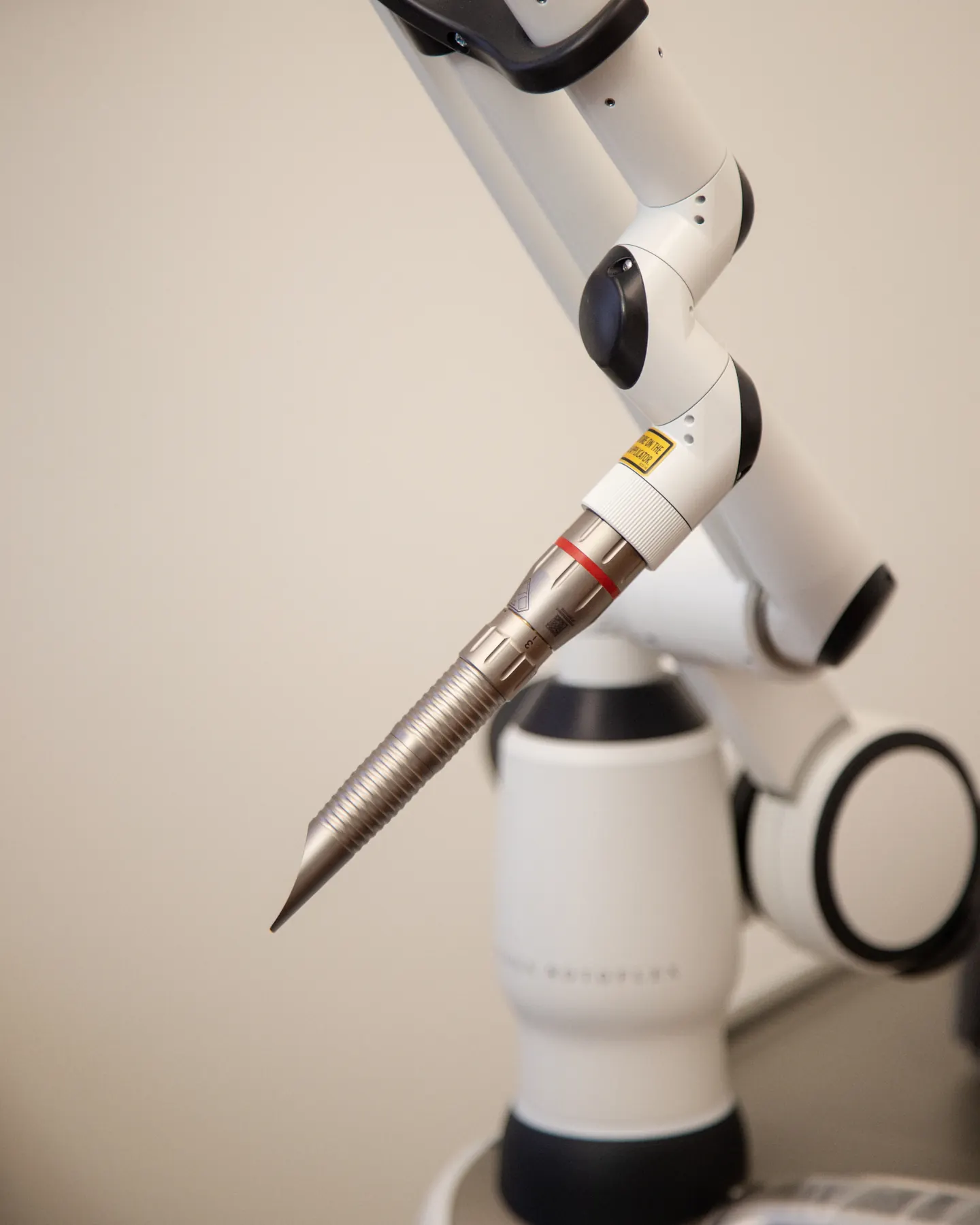
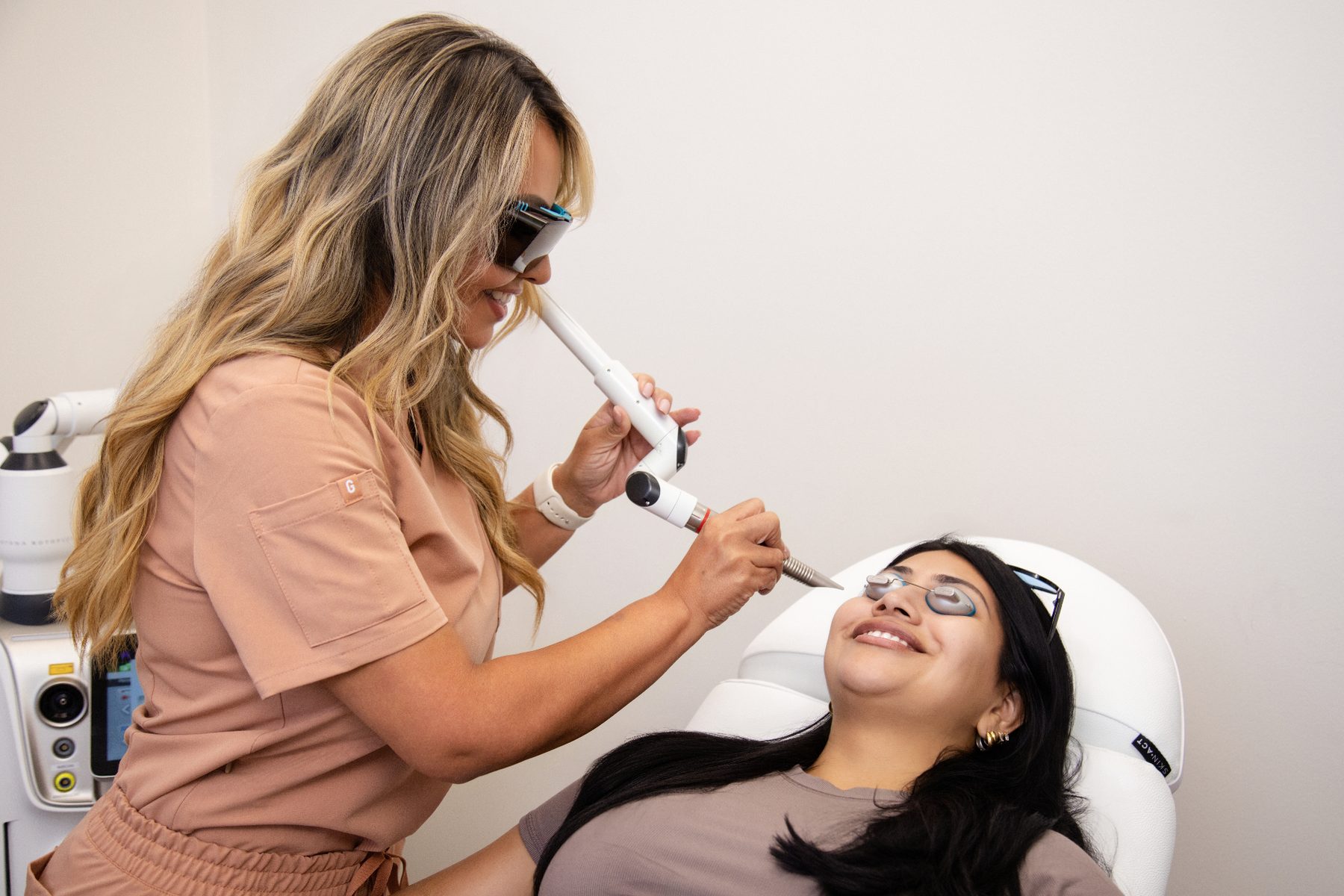
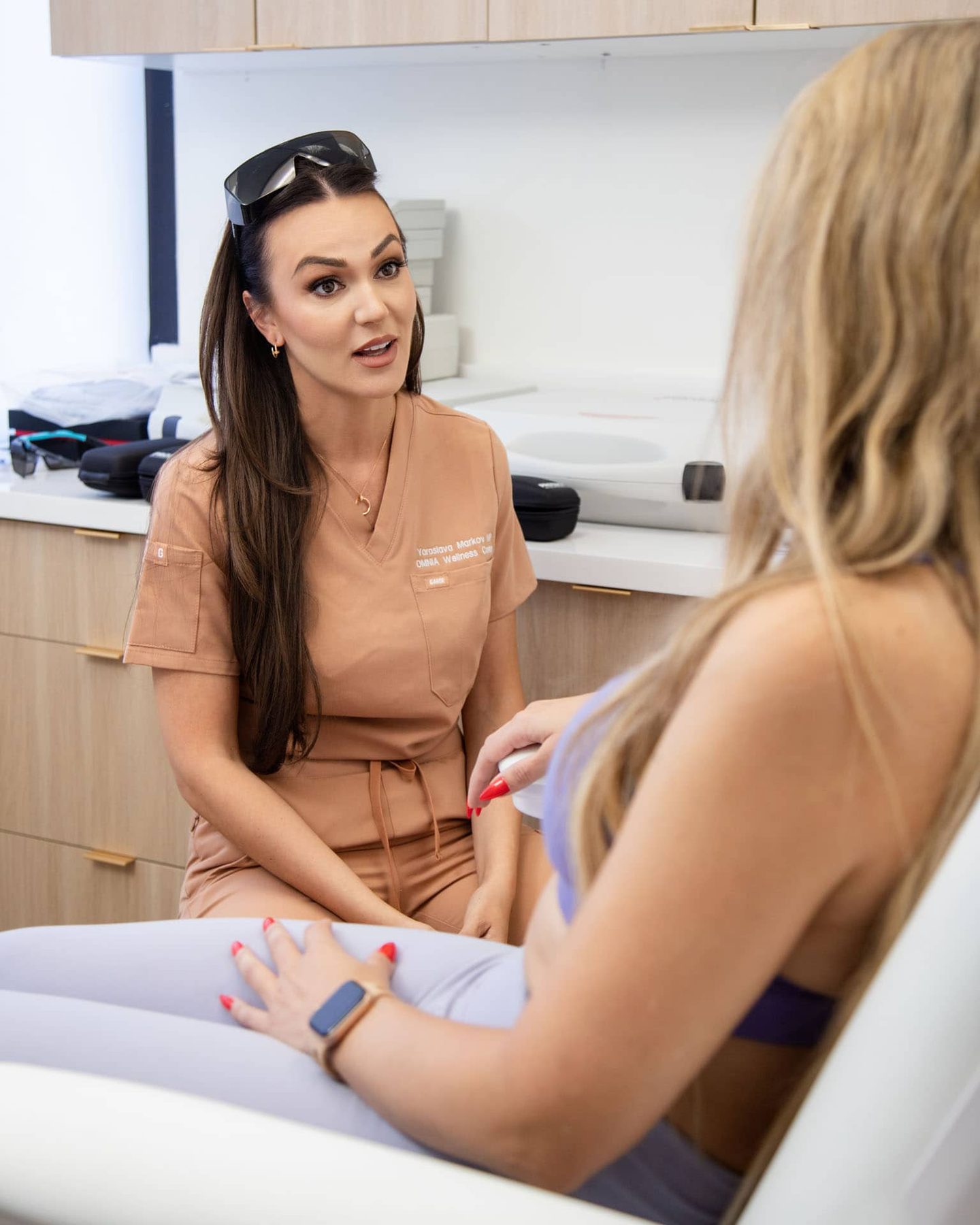
Facial contour is one of those qualities people notice before they can explain what they are seeing. A face can look rested, firm, and balanced even when the skin is not perfectly smooth. Conversely, a face with decent skin texture can still appear tired if the jawline has softened, the midface has flattened, or the lower face has started to sag. That is why contouring treatments have become such a central part of aesthetic practice. Patients rarely ask for “contour” in technical terms, but they do say things like, “My cheeks look less lifted,” or “I feel like my face is sliding down.”
The Fotona 4D Laser Facial (TimeWalker) has gained attention because it approaches those concerns from several angles at once. Rather than relying on a single pass or one depth of treatment, it combines multiple laser modes to work on both the inner and outer surfaces of the face. That matters because facial contour is not shaped by skin alone. It reflects collagen density, dermal support, tissue tightness, volume distribution, and the way light hits curves around the cheeks, mouth, and jaw.
When this treatment is selected well and performed thoughtfully, it can create a subtle but real improvement in how the face sits. Not a puffy “done” look, not the abrupt projection you get from filler, but a firmer frame and cleaner transitions. For the right patient, that can make the face appear more sculpted without changing its character.
What facial contour really depends on
People often assume contour comes down to fat pads or bone structure. Those are important, but in practice the picture is more layered. Youthful contour depends on a supportive dermis, elastic recoil, stable retaining ligaments, and skin that hugs underlying anatomy rather than draping over it. As collagen production slows and repeated motion, sun exposure, and time take their toll, the face loses some of that crispness.
The first signs are often small. The cheek can appear less rounded in the upper part and fuller lower down. The fold beside the mouth may deepen, not necessarily because the fold itself changed dramatically, but because surrounding support weakened. The jawline can look less clean because mild laxity along the lower cheek creates a shadow where none existed before. Patients frequently describe this as looking heavier, even if their weight has not changed.
That distinction is important when considering the Fotona 4D Laser Facial (TimeWalker). The treatment is not designed to replace lost skeletal support, nor is it a substitute for surgery in advanced laxity. What it does well is improve tissue quality and tighten mild to moderate looseness in a way that can sharpen facial transitions. Better support in the skin and subdermal layers often makes contours look more defined, especially around the nasolabial area, lower cheeks, perioral region, and jawline.
Why the TimeWalker approach is different
Many energy based facial treatments focus on the skin surface, or on one thermal target. TimeWalker, built around Fotona’s platform, is distinct because the 4D protocol can combine intraoral tightening with external resurfacing and bulk heating. That multi dimensional approach is part of why it has become popular in contour oriented treatment plans.
The treatment usually involves four stages, each with a different purpose. One of the better known elements is the Smooth mode performed inside the mouth. This often surprises first time patients, but it makes anatomical sense. The inside of the cheeks gives access to tissue that supports the nasolabial folds and lower midface. Heating from that angle stimulates collagen Fotona 4D Laser Facial (TimeWalker) remodeling without breaking the skin surface. Then external passes can address deeper bulk heating, more superficial tightening, and textural refinement.
From a contouring perspective, this matters because skin laxity is not always best treated from one direction. If you only work superficially, you may improve texture but see limited lift. If you only deliver deeper heat without refining the outer layers, the face can tighten somewhat yet still look dull or crepey. Combining modes can create a more integrated result. The face tends to look a bit firmer, smoother, and more cohesive, which is often what patients actually mean when they ask to look more “snatched,” though most experienced clinicians avoid that kind of overpromised language.
How laser tightening can make contours look sharper
Thermal stimulation drives the core mechanism. Controlled heating of targeted tissues encourages collagen contraction in the short term and neocollagenesis over time. Existing collagen fibers respond to heat by tightening, while fibroblasts are stimulated to build new collagen during the repair process. That remodeling does not happen overnight. Most patients see a mix of immediate subtle tightening and a gradual improvement over several weeks to months.
The contour effect is usually most visible in three areas. First, the midface can look slightly more supported, which softens the downward drift that makes the lower face appear heavier. Second, the area around the mouth can look tighter and less creased, reducing the impression of collapse around the oral commissures. Third, the jawline may appear cleaner because the lower cheek skin sits closer to underlying structures.
This is where expectations need to stay grounded. The Fotona 4D Laser Facial (TimeWalker) enhances contour by improving tissue behavior, not by creating volume where none exists. If someone has pronounced hollowing in the cheeks or temples, laser alone will not recreate that fullness. If jowling is significant, a omniawellnesscenterencino.com Fotona 4D Laser Facial (TimeWalker) laser treatment may help but will not match the effect of a lower face lift. In milder cases, though, tightening the skin envelope can make a meaningful difference. Sometimes the best cosmetic result comes not from adding anything, but from making existing tissue look more organized and supported.
The inside out element is more important than it sounds
Patients often focus on what happens on the skin, because that is what they can see. Yet one of the more interesting features of the TimeWalker protocol is the intraoral step. Treating from inside the mouth allows energy delivery to the mucosal tissue of the cheeks and the area supporting the nasolabial folds. In experienced hands, this can be particularly useful for patients whose lower midface has begun to soften but who are not ready for more invasive options.
Clinically, this can create a gentle tightening effect in areas where people often feel they are “folding” or “drooping.” It is not a dramatic repositioning, but it can reduce the sense of tissue collapse around the smile lines. I have seen patients who initially expected to care most about the skin brightness after treatment, only to come back saying their makeup sat better because the area beside the mouth felt a little firmer. That kind of feedback is typical of good non surgical contour work. The changes are often more felt and noticed in everyday life than captured in harsh before and after photography.
The intraoral component also speaks to a broader truth in aesthetic medicine. Surface improvement and structural support are deeply connected. A treatment that works on both planes tends to produce a more believable result.
Where contour changes tend to show up first
The treatment does not affect every face the same way. Anatomy, age, skin thickness, sun damage, and baseline laxity all influence outcome. Still, some patterns are common.
A patient in their late thirties or forties with early lower face softening often sees a fresher jawline and better cheek support. Someone in their fifties with moderate skin laxity may notice more improvement in skin tightness and texture than in actual lift, though that can still make the face look more sculpted overall. Patients with heavier faces sometimes require a more nuanced conversation because tissue bulk can limit how much visible contouring a tightening treatment alone can achieve.
The areas that often respond best include the following:
- the nasolabial and perioral region, where support loss creates shadows and folds
- the lower cheeks, where mild laxity can blur the transition into the jawline
- the jawline itself, especially when the issue is early skin looseness rather than dense jowling
- the upper cheek and midface, where subtle tightening can improve the perception of lift
- the overall skin envelope, which affects how crisply facial curves catch light
These improvements are usually cumulative. One session can give a refreshed look, but a series often produces a more convincing contour change.
Treatment feel, downtime, and the reality of the appointment
A lot of marketing around non surgical treatments makes them sound either effortless or intense, with very little middle ground. The reality is more ordinary. Most patients tolerate the Fotona 4D Laser Facial (TimeWalker) quite well. The sensation varies across the stages. The intraoral pass feels warm and unusual more than painful. External tightening stages often create a snapping or heating sensation, and the final polishing or resurfacing phase can feel more active depending on settings.
Downtime depends on how aggressive the treatment is. In a lighter session, patients may have redness and mild swelling that settle within a day or two. With stronger resurfacing parameters, there can be more visible recovery, including roughness or bronzing for several days. That is one reason why a proper consultation matters. “No downtime” is not a useful promise if the patient’s schedule or skin tolerance says otherwise.
For contour enhancement, swelling can briefly exaggerate results in the first couple of days, so it is wise not to judge the outcome too early. The more meaningful improvement tends to emerge after inflammation settles and collagen remodeling begins. Around the four to twelve week mark, patients often notice that the face looks a bit tighter in photos, especially from three quarter angles.
Who tends to benefit most
The best candidates are not always the oldest patients or the ones with the most visible sagging. In fact, the strongest satisfaction often comes from people with early to moderate signs of laxity who still have enough native structure to respond well to tightening.
A good fit often includes the following profile:
- mild to moderate skin laxity in the midface, perioral area, or jawline
- a desire for subtle contour improvement without injectables or surgery
- realistic expectations about gradual collagen remodeling
- enough skin quality to show visible tightening once support improves
- willingness to consider a treatment series and maintenance
Patients with severe jowling, very heavy lower face tissue, or major volume loss can still benefit, but they generally need a broader plan. That plan might involve biostimulatory injectables, strategic filler, skin resurfacing, or surgical referral depending on goals.
How it compares with filler, radiofrequency, and surgery
This is where clinical judgment matters more than trend language. Every contouring tool has strengths and blind spots.
Filler changes shape by adding volume. It can lift certain areas visually, especially the cheeks or chin, but it can also create heaviness if used to chase laxity. In a face that already feels broad or full, adding more product is not always flattering. The Fotona 4D Laser Facial (TimeWalker), by contrast, improves contour by tightening and refining. It does not “fill,” so it can be a better option for patients who want to look firmer rather than fuller.
Radiofrequency devices also aim to tighten tissue through thermal energy. Some are excellent, particularly when used for deeper dermal and subdermal heating. The difference is not that one category is universally better, but that the Fotona 4D approach offers a specific combination of internal and external treatment, plus superficial refinement, within one protocol. For certain patients, especially those bothered by both laxity and texture, that layered approach is appealing.
Surgery remains the strongest option for substantial contour correction. No laser treatment can replicate the repositioning achieved by a well performed facelift. Patients deserve honesty about that. What laser can do is delay the need for surgery, improve skin quality before or after surgical work, or provide meaningful improvement for those who are not candidates for an operation.
The role of collagen, and why results are not instant
One of the practical challenges with any collagen stimulating treatment is that the timeline does not match modern impatience. Patients are used to injectables that show quickly, but collagen remodeling is biological work. It takes time. Fibroblasts need to respond, the extracellular matrix has to reorganize, and tissue behavior has to change enough to become visible from the outside.
That is why experienced providers often recommend a course of sessions rather than a one off treatment if contour enhancement is the main goal. A single session can brighten and tighten modestly, but a series allows more cumulative remodeling. Depending on age, skin condition, and settings, many clinics suggest three sessions spaced several weeks apart. Maintenance once or twice a year is common after that, though plans should be individualized rather than sold as a package by default.
This gradual trajectory can actually be an advantage for patients who want a discreet change. Friends may comment that they look well rested or sharper, without identifying a specific intervention. In aesthetic medicine, subtlety is often a sign that the treatment choice was correct.
Limits, trade offs, and when the treatment is not enough
No credible discussion of contouring should pretend that every face will respond the same way. There are clear limits.
A patient with dense fibrofatty jowls may see only modest improvement because there is more tissue than tightening alone can manage. A very thin patient with significant volume loss might look better with some structural support before or alongside laser. Skin type also matters. While many laser protocols can be adapted across a range of skin tones, settings and risks must be assessed carefully. Anyone prone to post inflammatory pigment changes needs a cautious plan.
There are also lifestyle variables that influence durability. Smoking, poor sun protection, chronic inflammation, and major weight fluctuations can all undermine results. The skin reflects accumulated behavior as much as it reflects treatment quality. That is not a moral judgment, just the practical reality of tissue biology.
From a provider standpoint, overpromising is the biggest mistake. The TimeWalker platform is versatile and effective, but it is still one tool. Patients get the best outcomes when it is used as part of a broader assessment of facial aging rather than as a trendy standalone fix.
Making results last longer
Maintenance is less glamorous than treatment day, but it matters more than many patients expect. Collagen stimulation gives the skin a chance to behave younger, yet daily habits determine how long that advantage lasts.
The basics are not mysterious. Consistent sunscreen use protects the collagen you are trying to build. A topical retinoid, if tolerated, can support skin turnover and dermal quality. Stable weight helps preserve facial balance. Some patients pair periodic laser sessions with neuromodulators or regenerative treatments to reduce repetitive creasing and support overall skin function. None of this needs to become a maximalist routine. Even a few disciplined habits can extend the visible contour benefit.
After treatment, short term care is straightforward but important. Skin should be handled gently while heat related inflammation settles. A simple moisturizer, sun avoidance, and temporary restraint with exfoliating products usually go further than a shelf full of actives. Patients who push too quickly back into acids, scrubs, or intense workouts sometimes prolong redness and feel more reactive than necessary.
Why subtle contour improvement often looks more elegant than dramatic change
One of the reasons the Fotona 4D Laser Facial (TimeWalker) appeals to both clinicians and patients is that its best results do not advertise themselves. A face that is slightly tighter at the jawline, better supported in the midface, and smoother around the mouth often looks more attractive because it looks more coherent. The planes of the face read clearly again. Light reflects differently. Shadows soften where they had become accidental rather than expressive.
This kind of improvement is easy to underestimate in a market dominated by dramatic before and after culture. Yet in real life, contour is experienced in motion, in conversation, in side profile at dinner, in the way someone looks when they turn toward a window. Small structural improvements can have an outsized effect there.
For patients who want refinement without obvious intervention, that is exactly the appeal. The treatment does not impose a new face. It helps recover cleaner lines from the face that is already there.
Choosing the treatment for the right reason
The strongest outcomes happen when the reason for treatment matches what the treatment actually does. If the problem is skin looseness and early contour softening, the Fotona 4D Laser Facial (TimeWalker) can be a smart and elegant option. If the issue is major descent, heavy jowling, or substantial hollowing, it may still play a role, but not as the whole answer.
That distinction is what separates thoughtful aesthetic planning from impulsive treatment shopping. Facial contour is not one thing, so no single procedure fixes all of it. TimeWalker earns its place because it addresses a meaningful piece of the puzzle, collagen support, tissue tightening, and surface refinement, in a way that can make the face appear more lifted, more defined, and more rested without forcing volume or surgery where they may not yet be necessary.
Used with good judgment, it is less about chasing a trend and more about restoring structure where time has gently loosened it. For many patients, that is the contour change they actually wanted all along.
OMNIA Wellness Center
Address: 16430 Ventura Blvd Ste 207, Encino, CA 91436
Phone: (818) 386-8511
FAQ About Fotona 4D Laser Facial (TimeWalker)
What are the benefits of Fotona laser treatment?
OMNIA offers this treatment for concerns such as uneven texture, dull tone, and fine lines. Results and the number of sessions vary, so discuss your goals with a provider.
Is Fotona laser safe?
A qualified provider should review your skin, medical history, medications, and recent sun exposure to determine whether the treatment is appropriate. Ask about possible irritation, pigment changes, and aftercare before booking.
How much does a Fotona 4D facelift cost?
Price depends on the treatment plan and number of visits. Ask OMNIA for an itemized estimate during your consultation.