How Fotona 4D Laser Facial (TimeWalker) Fits into a Skincare Routine
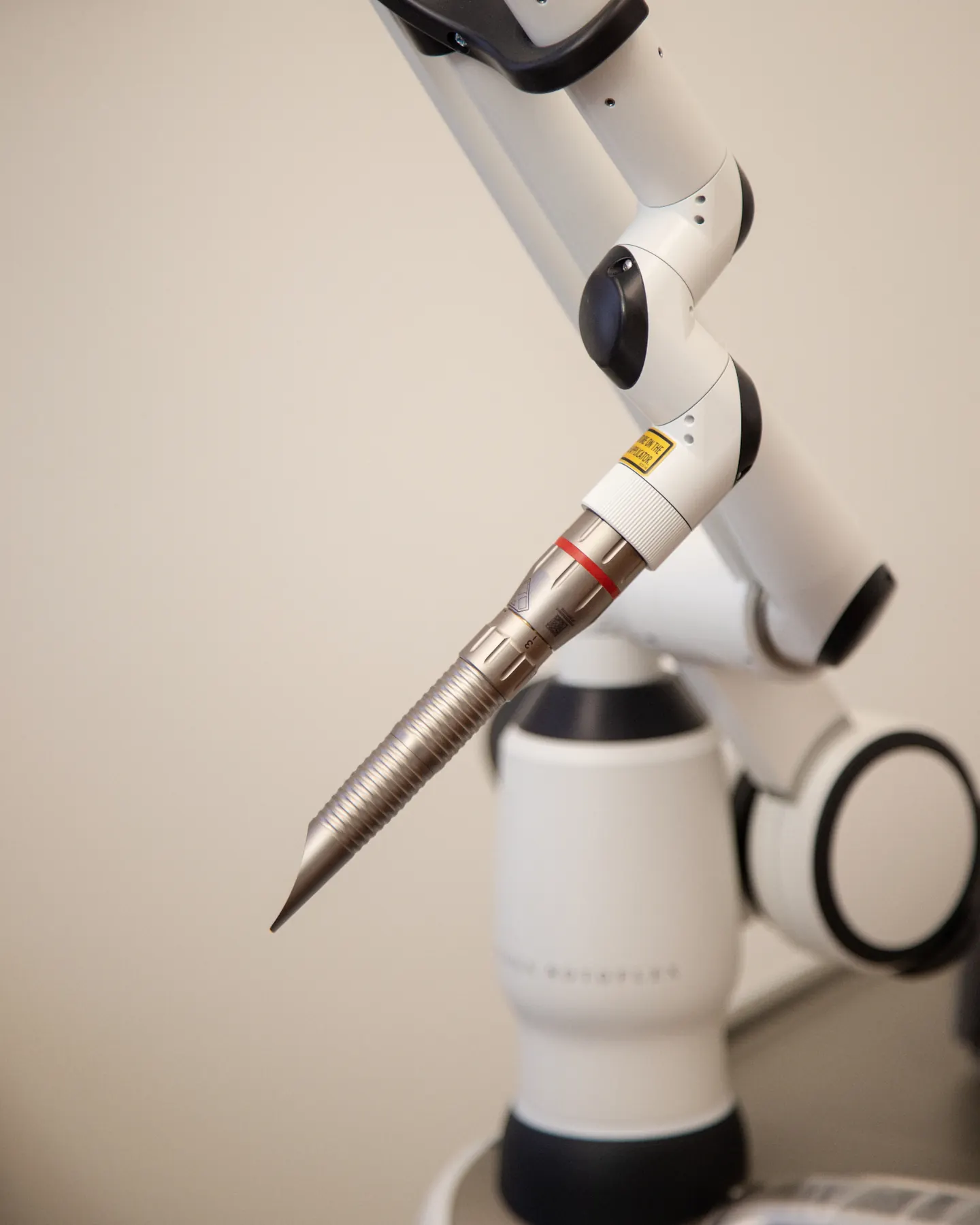
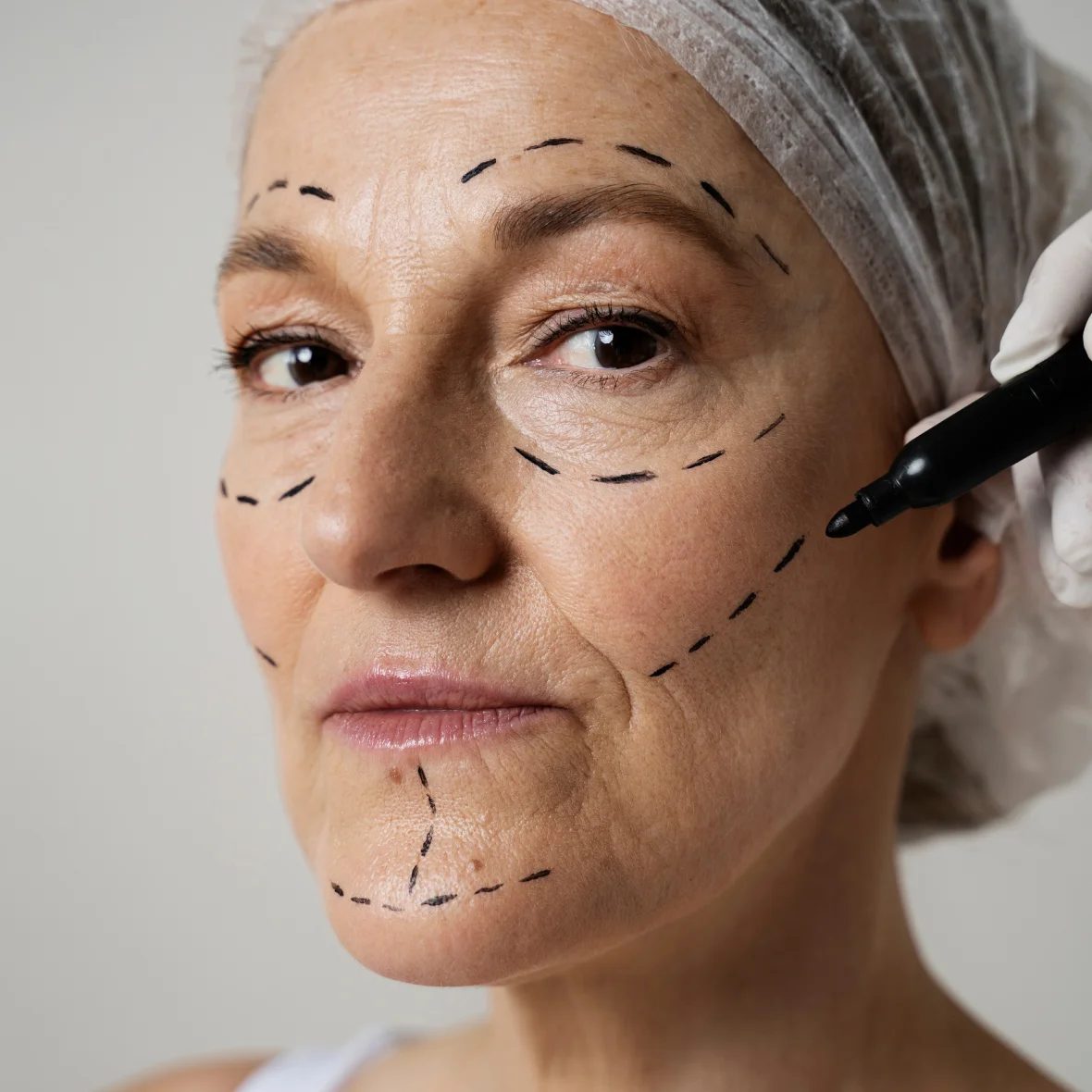
A good skincare routine does not have to choose between daily discipline and in-office treatments. The strongest results usually come from combining both. That is where the Fotona 4D Laser Facial (TimeWalker) tends to make sense. It is not a replacement for sunscreen, prescription retinoids, or a barrier-friendly cleanser. It is also not a one-day shortcut that erases years of sun exposure or volume loss. What it can do, when used thoughtfully, is add a layer of structural support and surface refinement that topical skincare alone often cannot reach.
That distinction matters. Many people start looking at laser treatments after they have plateaued with creams and serums. Their skin may be healthier than it was a year ago, but they still notice textural roughness around the cheeks, creasing around the mouth, mild laxity through the jawline, or a tired look that seems deeper than dryness. Those concerns live partly at the skin’s surface and partly below it. Topical products work from the outside in. Devices like the Fotona 4D approach the problem from multiple levels.
The TimeWalker platform is often discussed in aesthetic clinics because it combines different laser modes in one session. Depending on the provider’s protocol, that may include treatment inside the mouth to support collagen contraction in the perioral area, deeper thermal stimulation to target laxity, fractional resurfacing for texture, and a final polishing pass for overall brightness. Patients are often drawn to it because it aims for visible improvement with less downtime than more aggressive resurfacing lasers. That does not make it casual. It still deserves planning, proper aftercare, and a place within the larger rhythm of skincare.
What the treatment is really doing
The easiest way to understand the Fotona 4D Laser Facial (TimeWalker) is to think of it as a layered treatment rather than a single laser pass. It is designed to address several signs of aging at once, usually with a combination of tightening, smoothing, and brightening effects. Clinics may market it as a “lunchtime” option, but the more useful framing is that it is a collagen-stimulating procedure with a moderate recovery profile.
The “4D” concept refers to four treatment dimensions or modes, each aimed at a different tissue depth or concern. The exact settings, pulse durations, and intensity vary by provider and skin type. That variability is important. Two patients can both say they had a Fotona 4D session and have very different experiences. One might receive a conservative pre-event refresh with almost no visible peeling. Another might undergo a stronger protocol intended to tackle deeper textural change and see several days of redness and roughness.
From a skincare perspective, the treatment works because it can create effects that are difficult to duplicate with products. Collagen remodeling, mild tissue tightening, and controlled resurfacing are not things that a peptide serum can fully mimic, however elegant the formulation. Skincare still matters because it supports healing, protects the investment, and extends the result. But the mechanism is different.
I often explain it this way to patients who already have a bathroom shelf full of excellent products: serums can improve skin behavior, laser can improve skin architecture. The best plan usually respects both.
Where it fits if you already use active skincare
If your current routine includes ingredients like retinoids, vitamin C, exfoliating acids, pigment suppressors, or acne treatments, the first question is not whether you can have the laser. The real question is how to sequence everything so your skin responds well.
Laser-treated skin behaves differently for a period before and after the session. In the lead-up, the goal is to arrive with a calm, intact barrier. In the days after, the goal shifts toward healing and irritation control. This is where people sometimes get into trouble. They assume that if a little exfoliation is good, doubling down after treatment will make the glow stronger. In practice, that often leads to prolonged redness, stinging, patchiness, and post-inflammatory hyperpigmentation, especially in sensitive or melanin-rich skin.
For most patients, the smart approach is to simplify. A week or so before treatment, many clinicians advise easing off strong acids, scrubs, and sometimes retinoids depending on the protocol and the patient’s sensitivity. After treatment, that stripped-back routine becomes even more important. You are not trying to “work” the skin. You are trying to let it recover cleanly.
That can feel psychologically difficult for skincare enthusiasts. People who love routines often love action. They want to apply something active because they associate sensation with effectiveness. Laser aftercare rewards the opposite instinct. The patients who heal best are often the ones who can tolerate a few boring days of gentle cleansing, moisturization, and vigilant sun protection.
The difference between support and competition
A routine that supports laser results is not the same as a routine that competes with the procedure. Supportive skincare keeps inflammation lower, preserves hydration, reduces unnecessary friction, and minimizes UV damage while collagen remodeling unfolds over the following weeks and months. Competing skincare pushes too many other variables at the same time.
Take retinoids as an example. Tretinoin can be excellent for long-term texture, acne control, and collagen support, but it does not need to be used right up to the day of treatment or immediately resumed the morning after. The same is true of glycolic acid pads, home peels, benzoyl peroxide, and some acne spot treatments. These products are useful in their lane. Around laser treatment, their lane temporarily narrows.
The same principle applies to devices at home. Microcurrent, radiofrequency gadgets, cleansing brushes, microneedling rollers, and strong LED protocols are not automatically harmful, but they can create too much cumulative stimulation if layered casually around an in-office laser session. Most people do better when they pause the urge to stack every available technology at once.
I have seen this play out with patients preparing for weddings, reunions, or professional photo shoots. The anxious ones sometimes arrive having added three new serums, restarted a retinoid they previously could not tolerate, and booked a facial with extractions two days before their laser appointment. Their skin almost always looks more reactive, not more resilient. The Fotona 4D Laser Facial (TimeWalker) best outcomes usually come from restraint.
What a practical routine looks like before treatment
In the week or two before a Fotona 4D Laser Facial (TimeWalker), think in terms of stability. You want your skin neither inflamed nor overly stripped. If you have eczema, rosacea, or a history of irritation, this matters even more.
A sensible pre-treatment routine usually centers on a gentle cleanser, a bland moisturizer, and broad-spectrum sunscreen every morning. If your skin already tolerates an antioxidant serum well, many clinicians are comfortable with you continuing it, though some prefer fewer variables in the immediate days before treatment. Prescription products should follow your treating clinician’s advice, especially if they involve retinoids, hydroquinone, or acne medications.
Patients with a history of melasma or post-inflammatory hyperpigmentation deserve special planning. Heat can aggravate pigment in some individuals, and not every laser protocol is ideal for every skin concern. In those cases, pre-treatment conditioning may include pigment management and stricter UV and visible-light protection. A skilled provider will not treat the device as one-size-fits-all, because it is not.
The early aftercare window is where good results are protected
The first few days after treatment are when a routine matters most. Even when downtime is fairly light, the skin may feel warm, tight, rough, or dry. Some people describe it as a sandpapery texture. Others notice swelling around the cheeks or under-eyes for a day or two. Makeup may sit poorly until the surface settles.
This is not the moment for experimentation. It is the moment for consistency.
- Use a gentle, non-stripping cleanser, or simply rinse with lukewarm water if your clinician advises minimal cleansing at first.
- Apply a plain moisturizer generously and often enough to prevent tightness.
- Wear broad-spectrum sunscreen daily, and reapply if you are outdoors or near strong window light for extended periods.
- Hold retinoids, exfoliating acids, scrubs, and harsh acne products until the skin has clearly recovered and your provider says to resume.
- Avoid heat-heavy workouts, hot saunas, and prolonged sun exposure during the immediate healing phase.
Those basic steps are not glamorous, but they do most of the heavy lifting. If your skin is prone to sensitivity, the best post-laser product is often the least exciting one on your shelf.
One common question is whether occlusives are helpful. Sometimes they are, especially if the skin feels very dry, but texture and acne tendency matter. A rich healing balm can soothe one patient and clog another. This is where individualized advice from the treating clinic matters more than general internet guidance.
When to reintroduce actives, and why timing matters
People are often eager to know the exact day they can restart retinoids, exfoliating acids, and brightening agents. The honest answer is that it depends on treatment intensity and skin behavior. Some patients are ready within several days. Others need closer to one to two weeks before stronger actives stop stinging and the barrier looks normal again.
The mistake is assuming healing is complete just because the redness has faded. Skin can look calm while still being more reactive than usual. If you restart too early, you may not cause a disaster, but you can prolong low-grade inflammation that blunts your overall result.
A cautious reintroduction often works best. Start with the product that matters most for your long-term goals. For one person, that is tretinoin. For another, it is azelaic acid for redness and acne. For another, it is a pigment-fading regimen. Bring it back slowly, watch the skin’s response, and resist the temptation to resume everything on the same night.
This is where professional judgment beats rigid timelines. A patient with thick, oily, resilient skin usually returns to actives faster than someone with rosacea, a history of perioral dermatitis, or a naturally dry barrier. There is no medal for speed.
How often treatment makes sense in a routine
One of the more practical questions is frequency. The answer depends on your baseline concerns and your expectations. Many clinics recommend a series when someone is starting, then maintenance at wider intervals. That pattern is common because collagen remodeling is cumulative. A single session can freshen the skin, but repeated treatments usually produce more meaningful change in texture and firmness.
Still, “more” is not always “better.” If your at-home routine is poorly matched to your skin, laser will not compensate for daily neglect. If you skip sunscreen and spend every weekend Fotona 4D Laser Facial (TimeWalker) in direct sun, maintenance sessions become a losing game. On the other hand, if you are diligent with UV protection and use targeted actives consistently, you may need fewer in-office treatments to hold a result.
There is also the calendar question. The best timing is usually when you can give your skin a recovery buffer before a major event. Even with lower downtime protocols, I prefer patients not to schedule their first-ever session immediately before something high stakes. Skin can surprise you. A person who usually heals fast may swell more than expected. Another may look excellent by day three. Since no provider can guarantee your exact recovery pattern, a little scheduling margin reduces stress.
Who tends to benefit most
The treatment often appeals to people who see early to moderate signs of aging and want improvement without the downtime associated with more aggressive ablative resurfacing. It can also suit patients who want a multipronged treatment rather than separate appointments for tone, texture, and mild laxity. That said, it is not the best match for every concern.
- Mild skin laxity, early jowling, crepey texture, and fine perioral lines often respond better than severe sagging or deep folds.
- Uneven texture and dullness can improve, but dense acne scarring may require a different resurfacing strategy.
- Busy professionals often like the recovery profile, though they still need to plan for some visible redness or roughness.
- People with disciplined sun protection habits generally hold results better over time.
- Patients expecting surgical-level lifting usually need a more realistic discussion before booking.
Expectation management is not a minor detail here. A common source of disappointment in aesthetics is not poor treatment, but mismatched expectations. The Fotona 4D Laser Facial (TimeWalker) can sharpen, smooth, and brighten. It does not recreate the effect of a facelift, nor does it replace fillers in someone whose primary issue is volume loss.
That is another place where skincare and procedures intersect. If your concern is dehydrated, dull skin with some pigment and mild textural irregularity, a laser may complement topicals beautifully. If your concern is significant midface hollowing, no amount of serum layering will substitute for structural treatment, and no laser will restore volume the way injectables can.
How it compares with common skincare goals
Most skincare routines revolve around a handful of recurring goals: protect collagen, improve cell turnover, maintain hydration, reduce pigment irregularity, and manage inflammation. The Fotona approach overlaps with those goals, but does so through controlled energy rather than daily product application.
For collagen support, topical retinoids are still foundational. They are relatively affordable over time, evidence-based, and useful for long-term maintenance. Laser can amplify the plan by stimulating remodeling in a way that topicals cannot fully match.
For glow and smoothness, exfoliating acids and enzyme masks can help, but they usually act more superficially. A properly selected laser treatment can create a more substantial textural reset. The trade-off is cost, temporary downtime, and the need for provider skill.
For pigment, the picture is more nuanced. Some patients see clearer, brighter skin after treatment. Others, especially those with melasma tendencies, need careful counseling because heat can be a complicating factor. This is not a category where internet before-and-afters should replace an in-person assessment.
For hydration and barrier health, skincare remains dominant. Laser-treated skin still depends on moisturizers, humectants, and gentle cleansing. A laser cannot moisturize your face for the other 364 days of the year.
The role of sunscreen becomes even less negotiable
If there is one habit that decides whether your laser investment pays off, it is sun protection. Patients often hear this so often that the advice starts to sound generic, but after laser treatment it becomes very concrete. UV exposure can worsen pigment, slow recovery, and erode the brightness and smoothness you just paid to build.
The people who maintain results best are rarely the ones with the fanciest routines. They are the ones who use sunscreen every morning, reapply when they should, wear hats when appropriate, and do not treat sun exposure as a harmless background activity. This is especially true for anyone prone to discoloration. Even a technically successful treatment can look underwhelming if post-procedure sun habits are sloppy.
A practical note from clinical life: patients often underapply sunscreen by a wide margin. A light swipe is not enough, particularly after a resurfacing treatment. If makeup makes frequent reapplication feel inconvenient, it is worth planning around that with a tinted mineral option, a sunscreen stick for touch-ups, or a powder SPF for backup. Perfect is not required, but casual is not enough.
Combining it with injectables, facials, and other procedures
The TimeWalker treatment can coexist with other aesthetic interventions, but timing matters. Neuromodulators, fillers, peels, microneedling, and traditional facials all affect the skin differently. If everything is done too close together, it becomes hard to control inflammation and even harder to know what caused a good or bad outcome.
In real practice, the most effective treatment plans are staggered. A patient might use neuromodulator for dynamic lines, maintain a retinoid for long-term skin quality, schedule periodic laser sessions for texture and firmness, and reserve gentler facials for intervals when the skin is fully healed. That kind of layered planning tends to produce better-looking skin than chasing monthly novelty.
This also protects your wallet. One of the least discussed aspects of aesthetic medicine is opportunity cost. It is easy to overspend on overlapping services that target the same issue in slightly different ways. A thoughtful clinician should be able to tell you not only what might help, but what is unnecessary.
The best routine is the one your skin can live with
A sophisticated skincare plan does not have to be complicated. In fact, once a treatment like the Fotona 4D Laser Facial (TimeWalker) is part of the picture, simplicity often becomes more valuable. You want a routine that can flex around treatment dates without drama. You want products that support recovery instead of provoking it. You want enough active ingredients to drive progress, but not so many that your barrier is always one step from revolt.
For many people, that means a core routine built around cleansing, moisturizing, daily sunscreen, and one or two meaningful actives used consistently. The laser then acts as a strategic accelerator, not a substitute for basics and not an excuse to overload the skin the rest of the year.
That is the real place of the treatment in a skincare routine. It sits between daily maintenance and more invasive intervention. Used well, it can sharpen what your home care is already doing. Used impulsively, with poor aftercare or unrealistic expectations, it can become an expensive detour. The difference usually comes down to planning, provider judgment, and the willingness to let good skincare stay boring when boring is exactly what healing skin needs.
OMNIA Wellness Center
Address: 16430 Ventura Blvd Ste 207, Encino, CA 91436
Phone: (818) 386-8511
FAQ About Fotona 4D Laser Facial (TimeWalker)
What are the benefits of Fotona laser treatment?
OMNIA offers this treatment for concerns such as uneven texture, dull tone, and fine lines. Results and the number of sessions vary, so discuss your goals with a provider.
Is Fotona laser safe?
A qualified provider should review your skin, medical history, medications, and recent sun exposure to determine whether the treatment is appropriate. Ask about possible irritation, pigment changes, and aftercare before booking.
How much does a Fotona 4D facelift cost?
Price depends on the treatment plan and number of visits. Ask OMNIA for an itemized estimate during your consultation.